The geology of Bregaglia
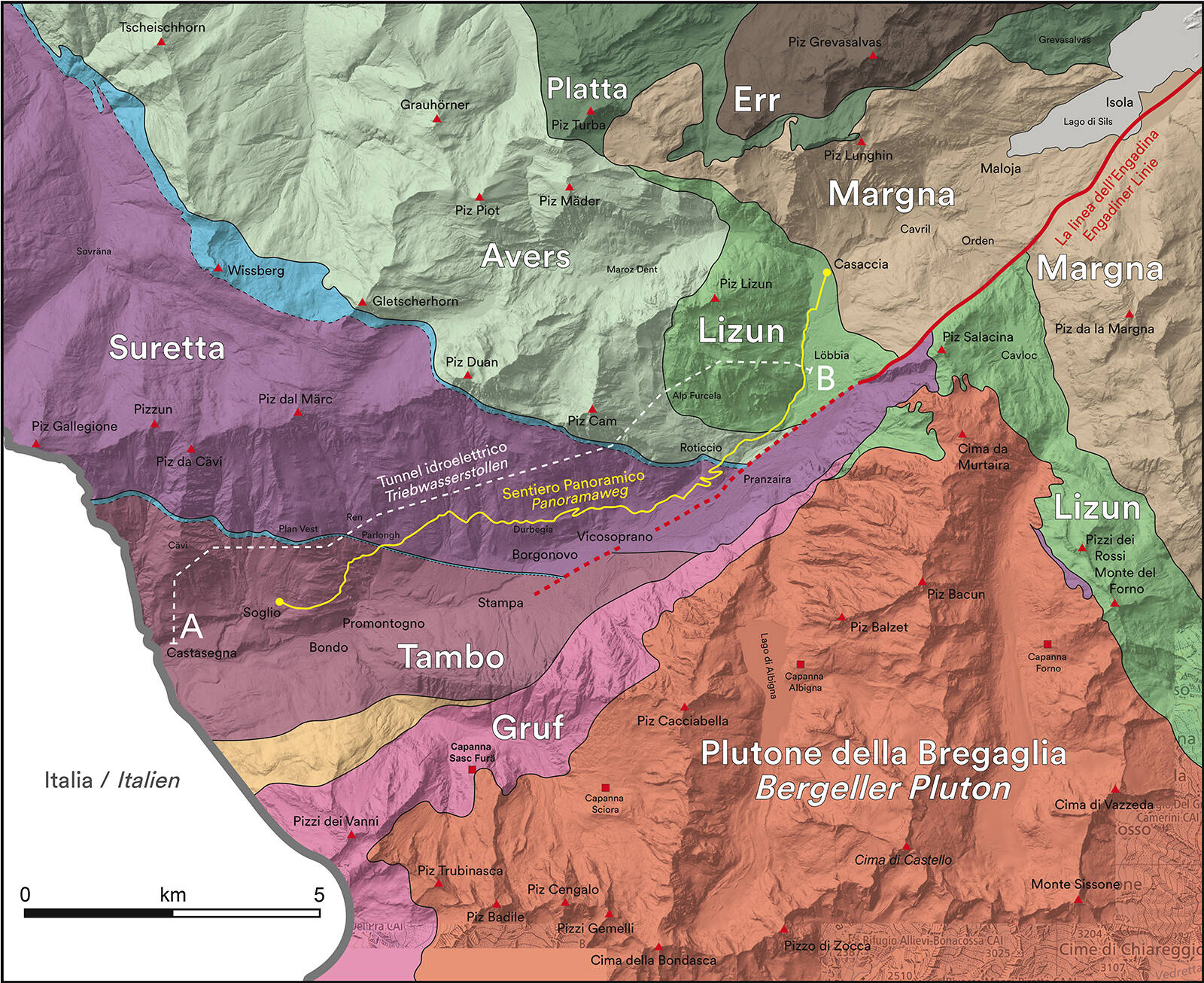
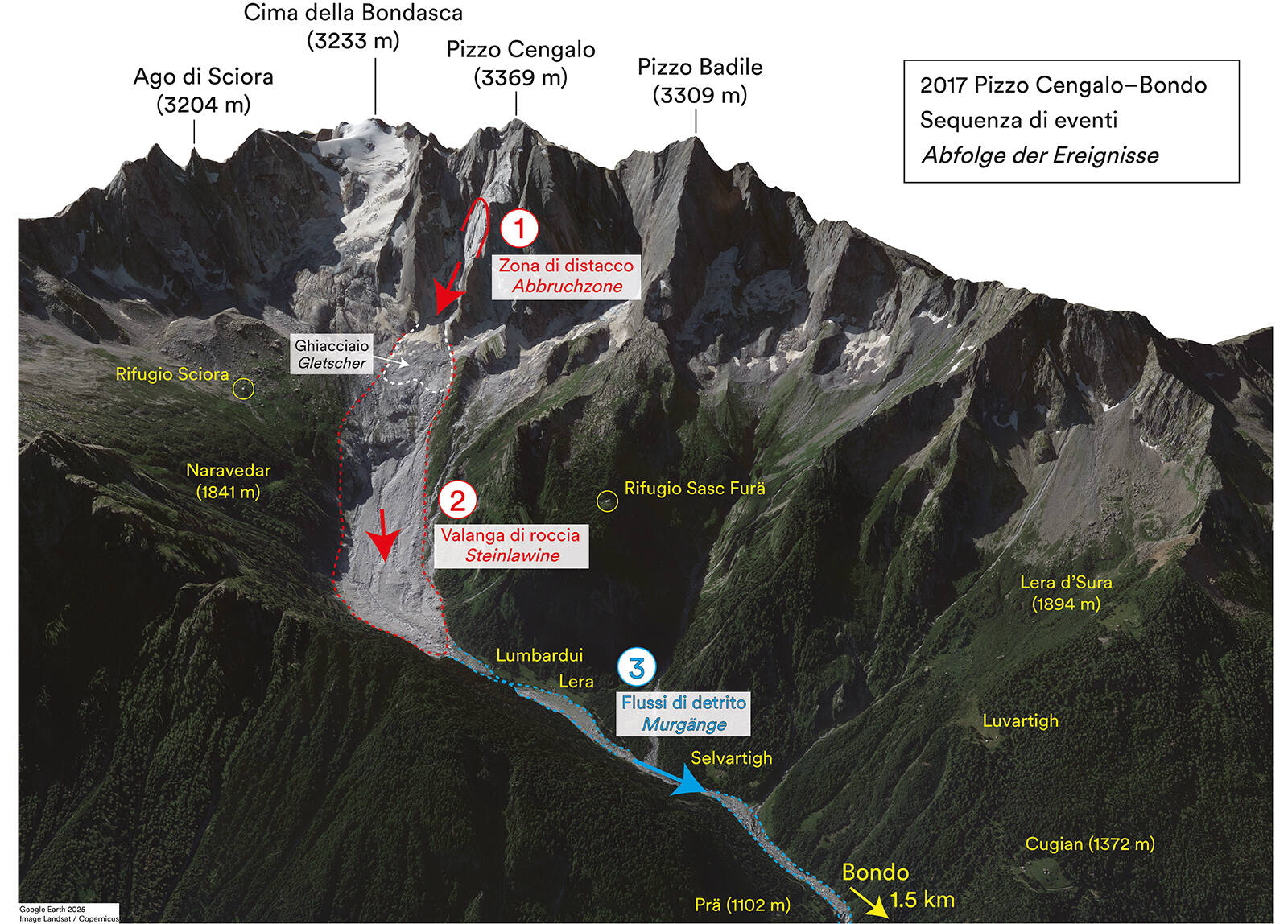
The Val Bregaglia, straddling both Italy and Switzerland, is one of the most geologically diverse and interesting areas in the Alps. Connecting Chiavenna in Italy to St. Moritz in Switzerland, the valley contains spectacular examples that illustrate the complex geological history of the Alps, which is linked to the collision of the ancient European and African continents.
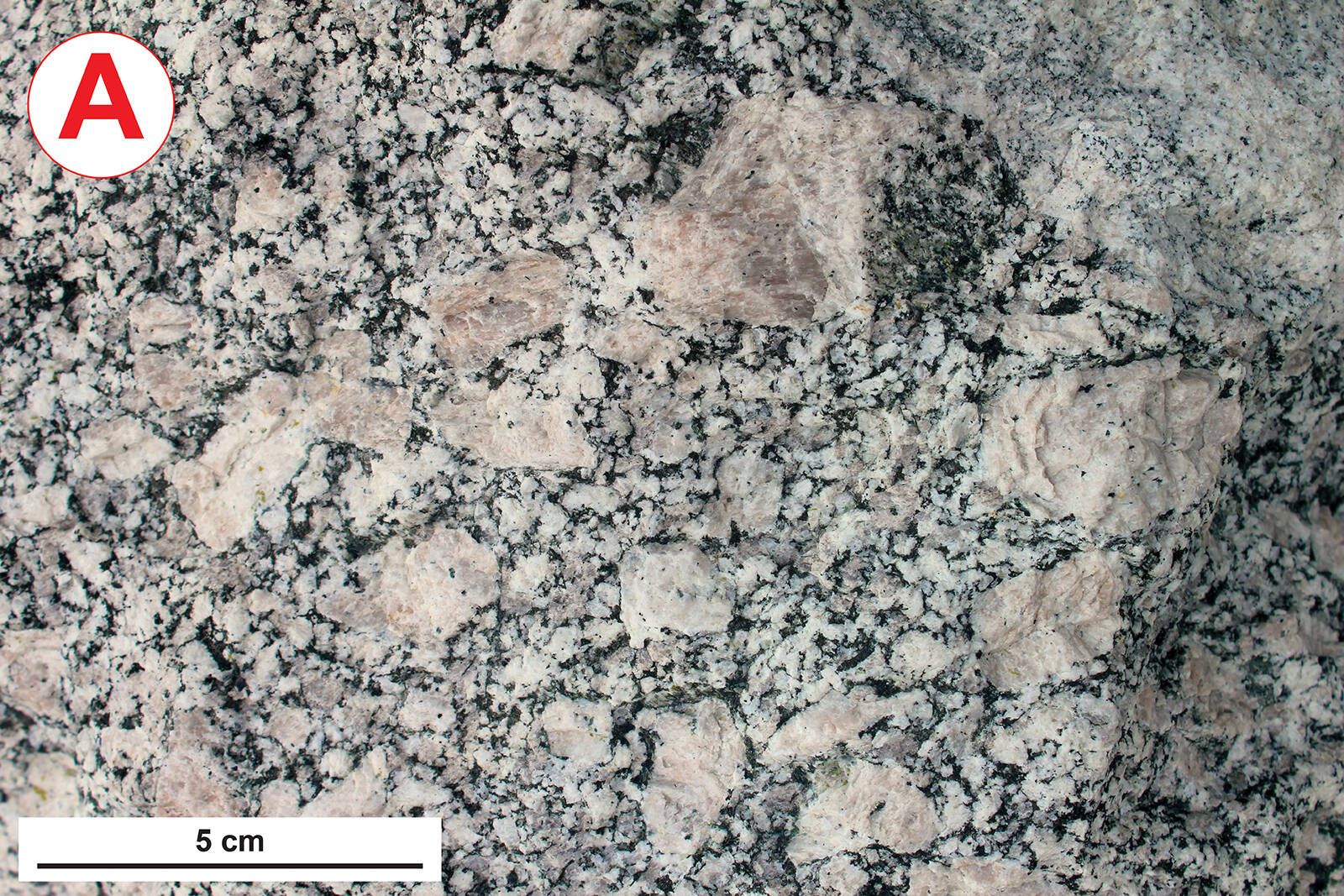
Geologically, Val Bregaglia is widely known for its impressive granitic massif, formed around 30 million years ago during the Alpine orogeny. The landscape is characterised by spectacular rock faces formed by intrusive rocks such as granite and granodiorite, making the valley famous among mountaineers and climbers. These magmatic formations are accompanied by metamorphic and sedimentary rocks, which provide evidence of powerful erosional and transformational processes in the Earth's crust.
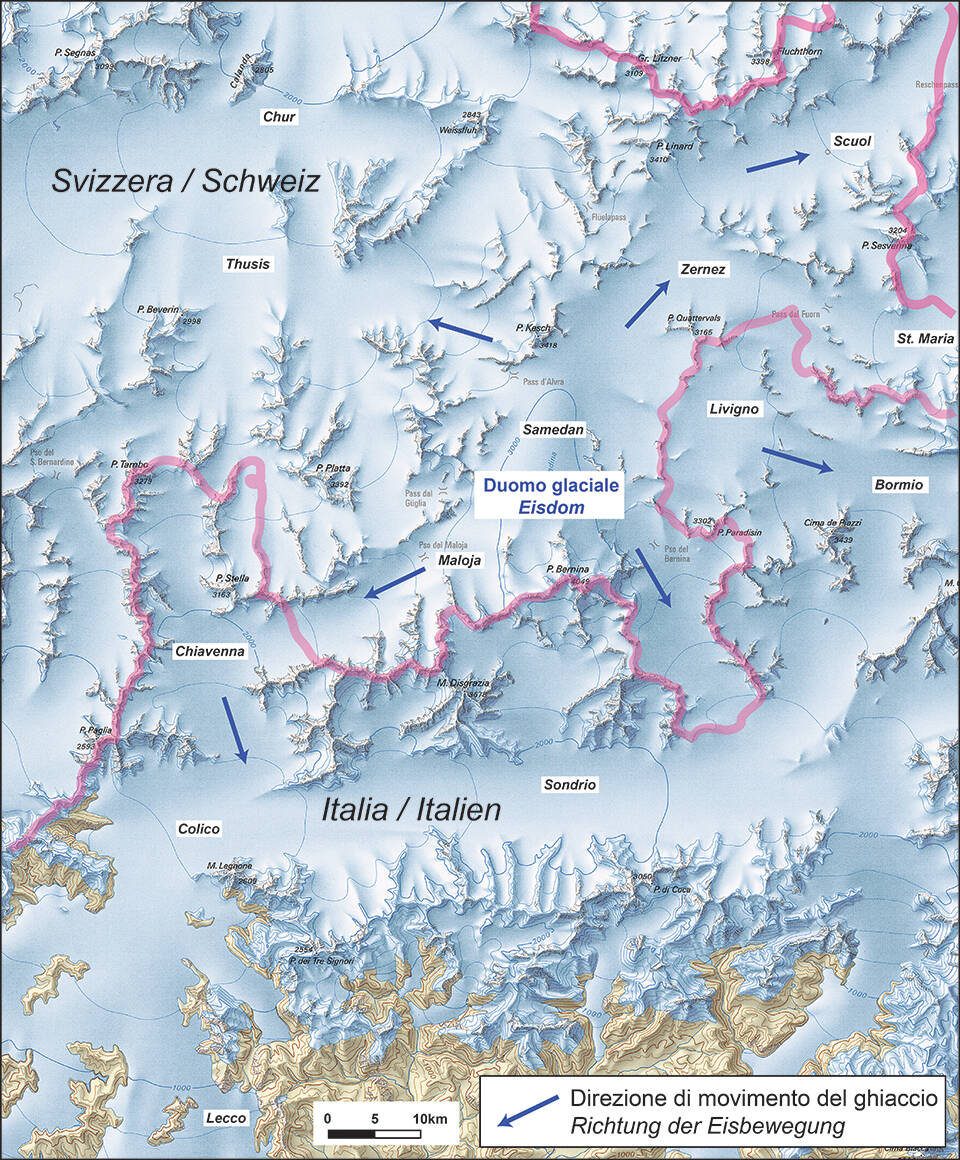
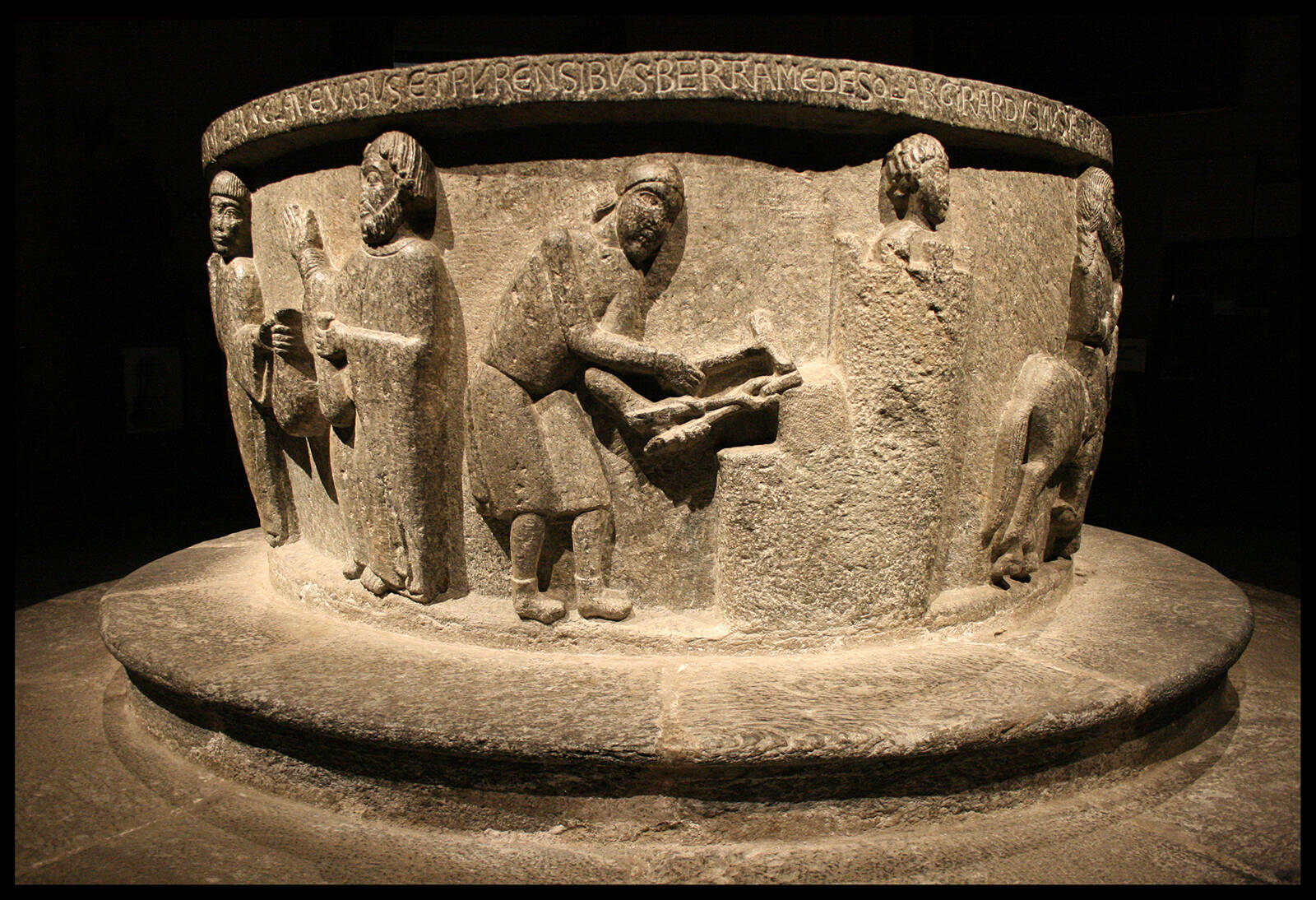
More recently, Quaternary glaciers have carved and shaped the landscape, creating typical landforms such as U-shaped valleys, moraines, glacial potholes, and polished rock surfaces. The geology and geography of Val Bregaglia recount millions of years of the Earth's evolution. They have also had a significant impact on the local economy, particularly through the historical tradition of extracting and processing different types of stone for cultural and architectural purposes.
Five information panels located along the Sentiero Panoramico provide detailed insights into the most important geological and geographical phenomena in Val Bregaglia.